These six rules come from twenty years of eating off plastic stools in hot countries, with one hospital-free record and a few mistakes I would rather not repeat. They work from a night market in Bangkok to a lunch cart in Lagos, because the logic of a good stall is the same everywhere: heat, turnover and hands. Read them once before the trip and you will not need a list again.
Rule one: follow turnover, not photographs
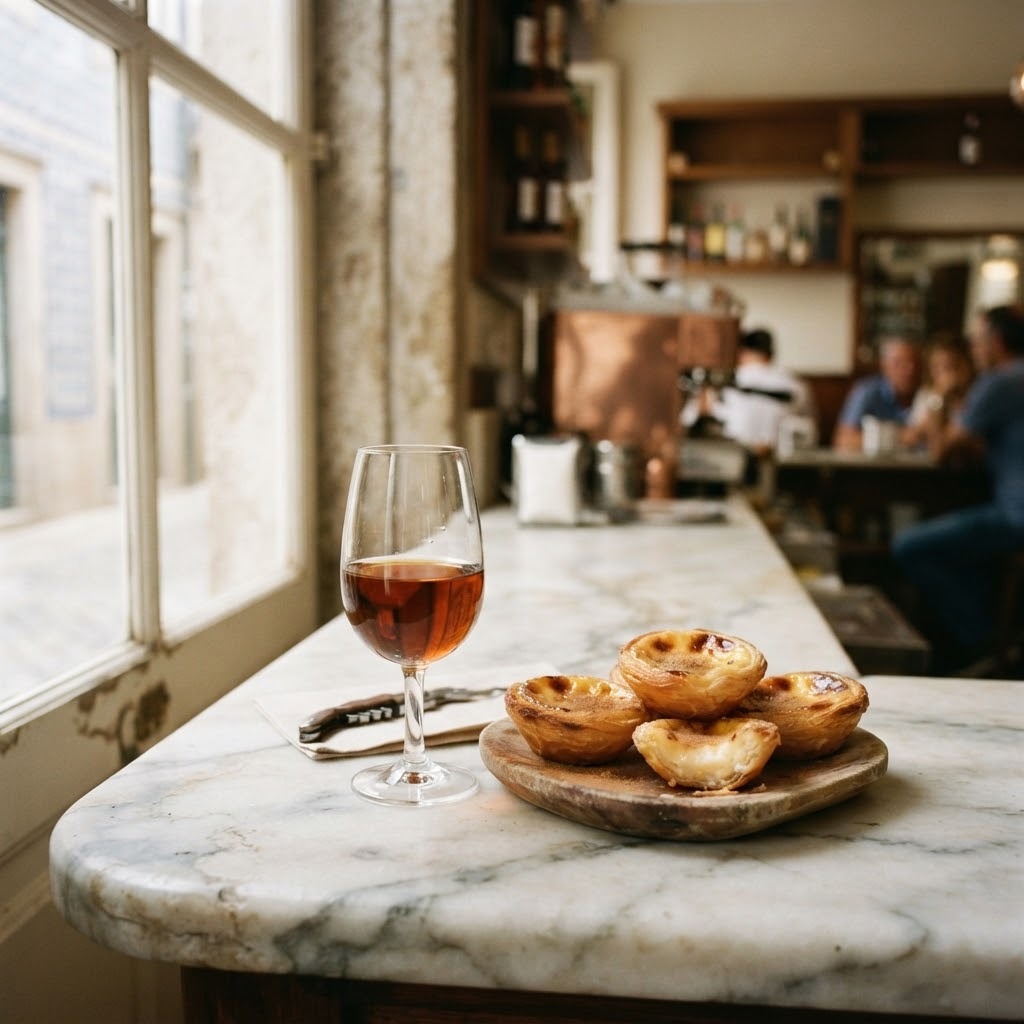
A queue of locals with cash in their hands beats an empty stall with a laminated menu every time, because food that sits under a lamp loses texture within minutes. Compare the two stalls either side of the same entrance: the one turning food over every few minutes will have crisper edges, hotter filling and a shorter wait. The quiet stall might still be excellent, but you are guessing, and guessing is what the queue already answered for you.
Short menus behave the same way. Five dishes cooked to order beat thirty sitting under glass, and a vendor who only sells one thing has usually spent years getting it right; the smell of the same dish hitting a hot pan all morning tells you more than any sign.
Rule two: order what is already hot
Point at what is cooking rather than what is displayed. Fried items sitting in a tray have been cooling for an unknown length of time, while the batch on the grill or in the wok is seconds old and tastes of it.
- Watch the pan for a full minute before you order and see how many portions leave it.
- Ask for the item that has just come off, even if it means waiting two minutes.
- Choose something cooked at high heat all the way through rather than held warm.
- Take it fresh in your hand and eat it standing, because the walk back ruins most of it.
Rule three: watch the hands before you watch the food
Money and food should not pass through the same pair of ungloved hands without a pause, and the stalls that manage this usually have a second person or a bowl for coins. Look for tongs, gloves, paper or a plate between the cook and what you eat. Soap and water matter more than a glass case: a stall with a visible water container and a bin is telling you something about the rest of the operation.
Rule four: learn the batch rhythm
Most street kitchens work in batches, and the difference between the first tray of the morning and the fourth is real. Grilled things are best within twenty minutes of the fire, steamed buns are best in the first hour, and anything in a sauce improves after sitting for a while, which is why the curry cart at nine in the evening beats the same cart at noon. Ask what time the first batch comes out, then plan the walk past that stall for it.
- Morning: fried, steamed and baked items at their crispest.
- Midday: everything at once, longest queue, fastest service anyway.
- Evening: braises, stews and grilled meat, with the sauce pot at its deepest.
The cook also gets more careful at the end of the day, because what is left is what they take home. I have had better grilled meat from a cart at closing time than from the same cart at its peak, when the priority was speed.
Rule five: carry small notes
A vendor with no change turns a 50 note into a slow negotiation and a bag of coins you will not spend. Keep small bills in one pocket and hand them over openly, because counting out exact change is faster for both of you and removes the one moment where a price quietly moves. If the stall posts prices, repeat the number back before you pay; where nothing is posted, ask first and expect the answer to be honest.
Leave the phone in the other pocket. Paying with one hand while filming with the other is how phones end up on the ground in crowded markets, and it also delays the person behind you, who is queuing for the same tray.
Rule six: control the heat yourself
Chilli is added at the end in most cuisines, so asking for less costs the cook nothing and saves your palate for the rest of the day. Learn the local phrase for mild and for no garlic or no coriander, and use it without apology; the person serving would rather adjust than watch you pick the topping off. Start mild for the first two days, then turn it up once you know how the place handles it.
Eat the plain version first whenever a stall offers both, because it tells you how much of the flavour comes from the cooking and how much comes from the sauce. Of these six, the queue rule and the hands rule are the two I would keep if I could only carry two.