Pollo ajillo is the dish I cook when the fridge looks empty and the evening looks long. Chicken thighs, a head of garlic, a splash of white wine, parsley if there is any, and a pan that gets properly hot. It takes about half an hour and most of that is waiting for colour, which is the one step worth being patient about. Spain's bars serve it sizzling in a small clay dish with bread on the side, and the home version is honest enough to do the same.
The recipe below is built for four people and one pan. It is forgiving: thighs tolerate a few extra minutes, the sauce reduces without drama, and the only thing that can really go wrong is crowding the pan, which we will get to.
What you need
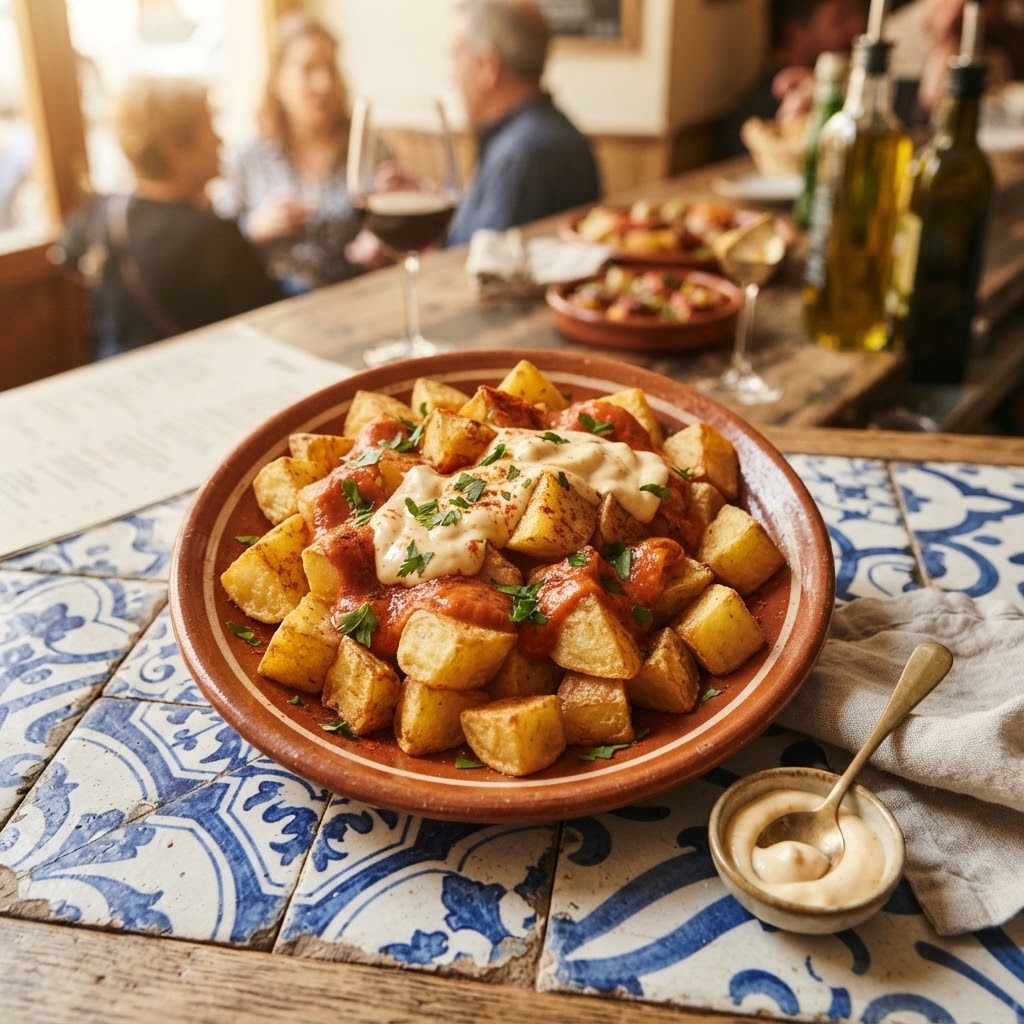
- Eight boneless, skinless chicken thighs, patted dry and cut into large bites.
- A whole head of garlic, sliced thin - yes, the whole head.
- 150ml dry white wine, or the same amount of chicken stock with a spoon of sherry vinegar.
- A generous handful of flat-leaf parsley, chopped roughly at the end.
- Olive oil, salt, a pinch of dried thyme, and black pepper.
Thighs are not optional here. Breast meat dries out long before the sauce is ready, and the extra fat in the thigh is what keeps the dish succulent after it sits for five minutes. If you can only find breast, cut it larger and pull it off the heat a minute earlier.
Browning, in order
- Salt the chicken and leave it uncovered in the fridge while you slice the garlic, ideally twenty minutes. Dry surface, better crust.
- Heat a wide pan over medium-high with enough oil to film the base. Wait until the oil shimmers.
- Lay the pieces in without touching and leave them alone for four minutes. Move them and you steam the meat instead of browning it.
- Turn, give the second side three minutes, then tip the chicken onto a plate. It will finish cooking later; it does not need to be done now.
- Drop the heat to medium, add a little more oil and the garlic, and stir for sixty to ninety seconds until it smells sweet and just starts to colour.
Two things are happening in that sequence. The first is flavour stuck to the pan, which the wine lifts later. The second is timing: garlic burns in about ninety seconds at that heat, and burnt garlic turns the whole sauce bitter in a way no amount of parsley will rescue.
Building the sauce
Pour in the wine and scrape the base of the pan with a wooden spoon until the sticky bits have dissolved into the liquid. Let it bubble hard for two minutes to cook off the raw alcohol, then return the chicken and any juices from the plate. Add the thyme, lower the heat to medium-low, and let everything simmer for eight to ten minutes, spooning the sauce over the top now and then. The sauce is ready when it coats the back of a spoon and the garlic is soft enough to spread on bread.
If the pan looks dry before the chicken is cooked, add a splash of water rather than more wine - the wine has already done its job and extra would make the sauce sharp.
Finishing
Off the heat, stir in most of the parsley and a thread of raw olive oil. That last drizzle matters: the fresh oil gives the sauce a green, peppery edge that cooked oil cannot provide. Taste for salt. If it tastes flat rather than savoury, it needs salt, not more wine. If it tastes sharp, let it sit for three minutes off the heat and the edges will round out.
What to serve with it
Three things happen to work, and you only need one: crusty bread for the sauce, thin fries for a proper bar-style plate, or a simple salad of tomatoes with onion to cut the richness. For a fuller meal, add roasted potatoes to the oven before you start the chicken so they finish at the same time, and use the same pan juices as a dressing.
Using breast, and other swaps
If thighs are not available, cut two large breasts into big chunks, salt them, and pull them from the pan after two and a half minutes a side. They will finish in the sauce in six minutes rather than ten, and the sauce comes out thinner because less fat renders out. Add a tablespoon of butter at the end and it comes close to the original. Turkey thigh works and wants the same treatment as chicken. For a pork version, use thick pieces of loin and shorten the simmer to six minutes so it stays tender.
Making it for a crowd
The limits are the pan and the garlic. In one wide skillet you can brown twelve thighs in two batches without crowding, and the sauce still reduces in a reasonable time. Beyond that, brown in batches and move everything to a heavy pot for the simmer, where extra volume does not matter. Keep the ratio of one head of garlic per four servings rather than scaling it down; a crowd version that tastes of thyme and wine is a different dish. Hold the finished pan in a low oven at 90C for up to forty minutes, then loosen with a spoon of water before serving.
Making it ahead
The dish improves after a night in the fridge, which is unusual for something with this much garlic. Cool it, keep it covered, and reheat gently with a spoon of water to loosen the sauce. It also freezes well for a month. What does not survive is the parsley, so add that fresh when the pan comes back to the table.
The one variable worth fiddling with is the garlic. Four cloves give you a background note; a full head makes the dish taste like its name. Start somewhere in the middle the first time and work outward, because once the garlic is in the pan, the sauce is decided.