The decision you have to make in Marseille is whether to eat your way along the Vieux-Port or behind it, and the two options produce completely different trips. The waterfront is easy, loud and priced for visitors, while the streets climbing north towards Noailles and Cours Julien are where lunch costs 12 euros and the kitchens close at two sharp. I grew up an hour from here and I still get this wrong when I arrive hungry at the wrong hour, so the guide below is organised around timing first and dishes second.
Everything here comes from repeated visits rather than a single good afternoon: market hours, what each counter is known for, the real price of the one dish that has a reputation, and how far apart the neighbourhoods actually are on foot. I rechecked every price on three visits, because one quiet Sunday can make a counter look cheaper than it stays.
Start at the market, before the shops fill
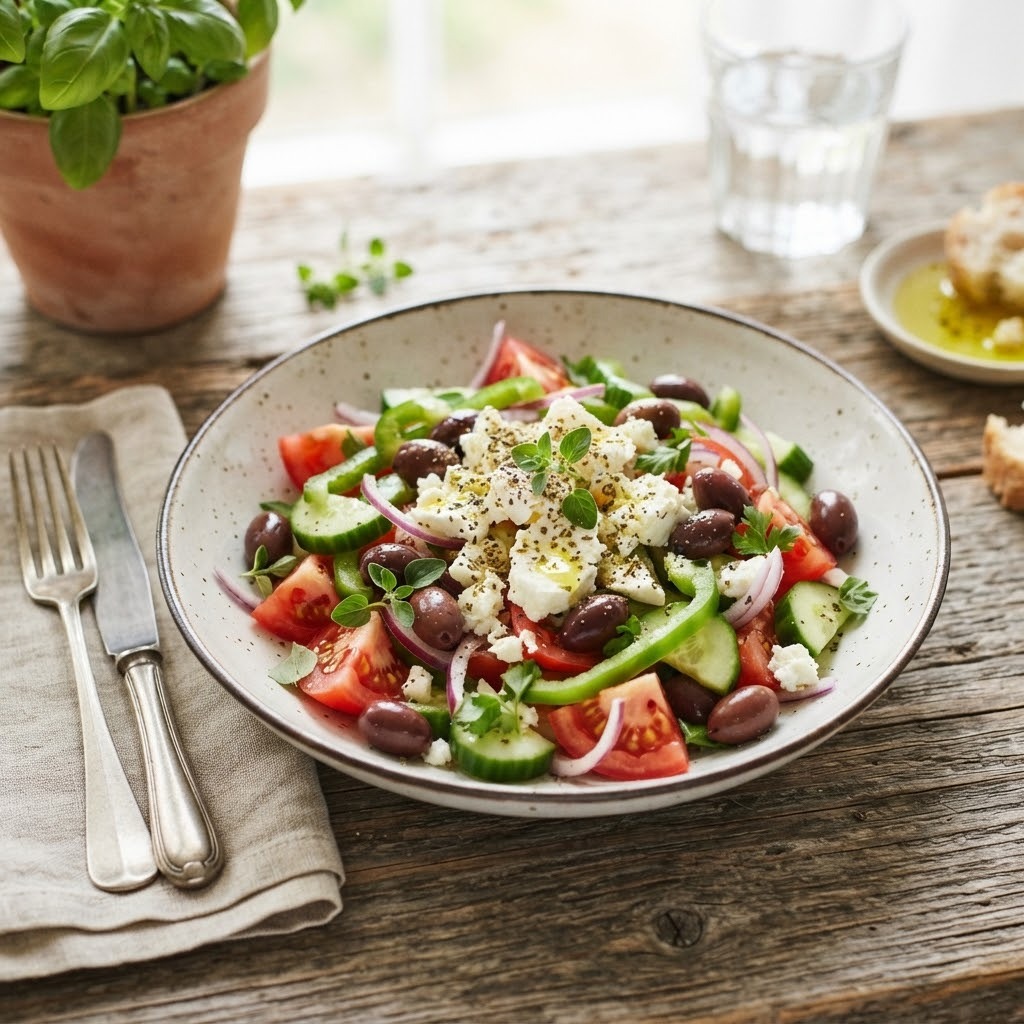
Two markets do most of the work. The fish market along the old port runs early and is at its best before nine, when the ice is still clean and the boats have not yet emptied. The produce market at Noailles runs all morning and is the better place to understand what the city cooks with: bouquets of herbs, boxes of small peppers, dried broad beans and North African pastries stacked by the kilo.
- Weekdays, 8:00 to 13:00: full stalls, fewer crowds, best fish selection.
- Saturday: the big day at Noailles, so arrive before 10:30 or weave through it.
- Sunday: markets thin out, bakeries open early, most kitchens stay closed until evening.
- Cash for small stalls, a bag you can carry, and no suitcase wheels on those streets.
What the counters are actually for
Marseille eating is built on small plates and bread rather than three courses. Panisse, chickpea cake fried in squares, costs 3 to 5 euros and comes with a wedge of lemon. A pan bagnat is the city's sandwich: a round loaf soaked with oil and tomatoes, tuna, onion and hard-boiled egg, eaten standing near the harbour for about 6. Pastis arrives before anything else at 4 euros a glass, and the small carafe of house wine alongside it is rarely more than 5.
Friday belongs to aioli, a plate of boiled vegetables, salt cod and fried fish around a bowl of garlic mayonnaise. It is served at lunch, it takes an hour, and it is the one meal that fills rooms the way Sunday lunch does elsewhere. Navettes, orange-blossom biscuits from a bakery near the port, are the thing to carry away with you.
Bouillabaisse, priced honestly
The real version is ordered ahead, because the fish is bought for you that morning, and it arrives in two stages: the broth with rouille and croutons first, then the fish on a separate plate. Expect 30 to 45 euros a head at a serious restaurant, 55 and up in the fanciest rooms on the water, and anything under 20 is a fish soup with ambitions rather than the dish itself.
Ask which fish went in and whether the order is for one or two people; the portion is built for two at most kitchens. If the budget does not stretch, take the soup at lunch in a market hall and save the full ritual for a second trip, because it is a long table and a slow afternoon rather than a quick plate.
Ask which fish went into the pot and whether the order is priced for one person or two; the answer tells you whether the kitchen bought from the morning boats. A good host will also tell you when they expect to run out, and in winter that can be as early as half past seven.
Which quarter, which hour
Morning belongs to the port side, where coffee and a biscuit cost under 4 euros and you can watch the boats work. Lunch belongs to Noailles and the streets above it, where couscous houses and Tunisian counters put full plates on the table for 10 to 14 and take their last orders at 14:30. Evening moves to Joliette and Cours Julien, where natural wine bars open around seven and stay open later than the menus suggest.
Le Panier is worth a walk for the stairs and the light, less so for dinner, where the terraces assume you have not checked a menu. Keep one evening free for a seafood place on the edge of the port, book it by phone, and eat late enough that the kitchen is not in the middle of its rush.
Distances and getting between meals
The whole centre is walkable if you accept the hills: the port to Noailles is about twenty minutes, Noailles to Cours Julien ten more, and the metro joins them in two stops when the heat wins. The tram along the old port is useful for the long leg to Joliette and runs until late. Lunch kitchens close between 14:30 and 19:00, so build a coffee, a museum or a long walk into that gap instead of hunting for a door that will open.
Begin at Noailles at ten in the morning
Walk the produce market while it is still calm, buy something you cannot name from the stall that has the longest queue, then take it to a counter two streets up and order a coffee to go with it. That one hour tells you the prices, the pace and the portions of the city, and every meal after it becomes easier to choose.