The first decision is not where to eat but when. Lisbon's small family rooms run on the lunch service, and travellers who treat dinner as the main event spend an evening walking past shutters that rolled down at three in the afternoon. I have been eating in these places for the better part of a decade, usually alone with a notebook, and the pattern that works is: one tasca at midday, one market or counter at night, and the walk between them does the rest.
This guide is built for a first visit of three or four days. It compares the types of room you will meet, gives the real hours, lists what to order with prices in euros, and picks neighbourhoods by the evening you want rather than by postcard value.
Four kinds of room, one worth chasing
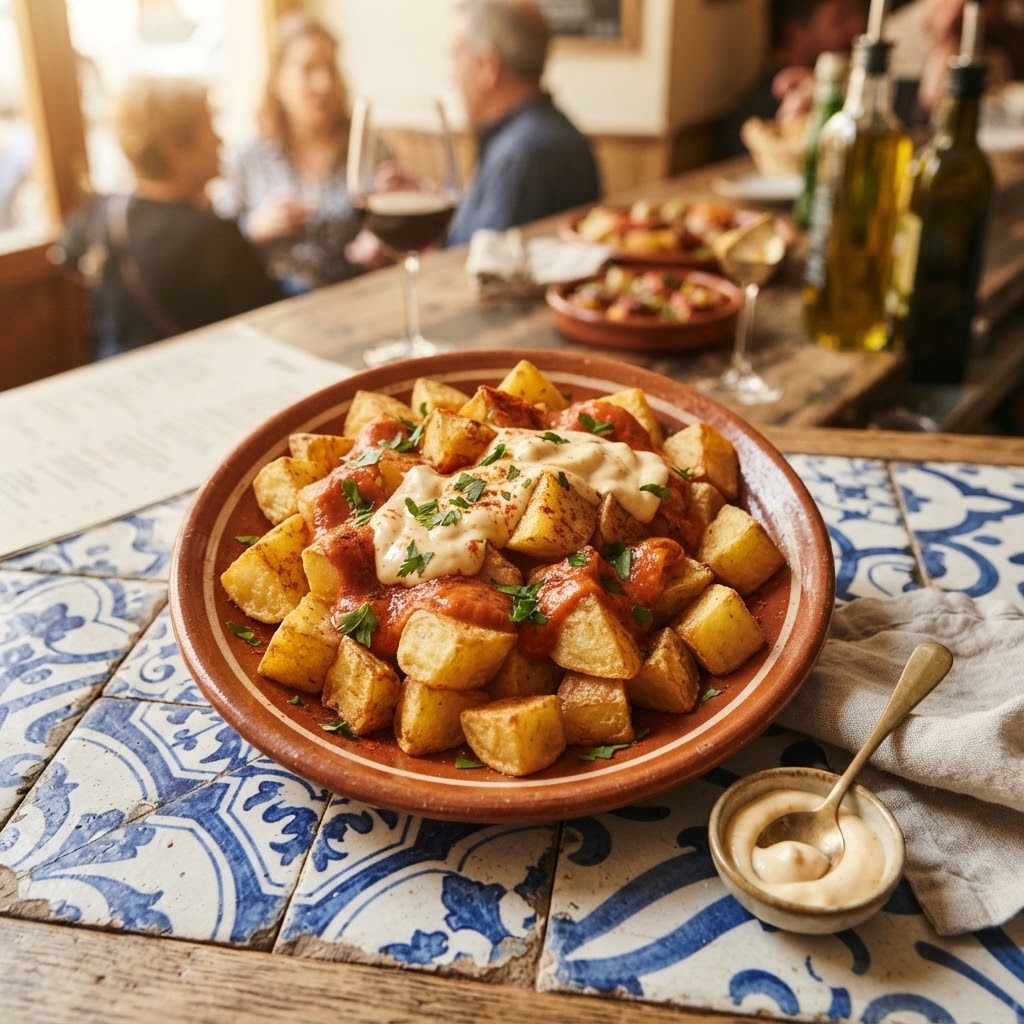
Lisbon offers four settings and they are not interchangeable. A tasca is a dozen tables, a handwritten menu and an owner who is also the floor; a formal restaurant has the same kitchen with a wine list and a reservation book; a market hall has dozens of stalls and one shared seating area; and the new wave of small bars serves plates until midnight with natural wine. The first one is where the cooking is least filtered, so plan around it and use the others for the hours when tascas are closed.
There is a second filter worth knowing before you choose. A room with a menu in four languages and a photograph of every dish is selling to whoever walks past, while a tasca with a card by the till changes its offering twice a day. I check turnover at the door, then look for a blackboard, in that order, and I have rarely been wrong about a room that way.
Lunch is the service that matters
The main meal runs from half past twelve until three, and kitchens stop taking orders when the last plate of the day leaves. Dinner starts around half past seven and thins out by ten on weekdays. Many rooms close on Sunday night and all day Monday, and a surprising number shut for the whole of August, which is when the family goes to the coast.
- Arrive at 12:45 for a choice of tables, or after 14:15 when the second wave clears.
- The menu do dia, printed on paper at lunch, runs 9 to 13 euros for two courses and a drink.
- Book by phone for groups of four or more; walk-ins fit easily at tables of two.
- Check the shutter before you cross the city, because hours change without notice.
What to order, in order
Start with something small and cold, move to the oven or the grill, and leave fried food for the end so it arrives crisp. Portions are built for a table rather than for one person, so three dishes feed two with bread.
- Caldo verde: green kale soup with chorizo, around 4 euros, the standard opener from October on.
- Bacalhau a bras: shredded salt cod, egg and potato, fried soft, 10 to 13 euros.
- Bifana: pork in a garlic and wine marinade inside a crusty roll, 4 to 6 euros, eaten standing.
- Arroz de pato: duck rice baked with chorizo, 11 to 14, often a weekend dish.
- Sardinhas, grilled over charcoal, from May through September, 9 to 12.
- Pastel de nata with coffee, 1.20, which is the correct way to end lunch.
How the table actually runs
Bread and olives appear without being asked and both are charged, usually 1.50 to 3 euros between two; ask for them to be taken away if you do not want them. House wine comes by the glass or the jug at 2 to 4 euros a glass, and the red from the south is what most locals pour. Service is not included, so rounding up the bill or leaving a euro or two is normal, and nobody expects a percentage.
Ask what came out of the oven that day rather than reading the laminated sheet, because the dish worth having is often the one written on a card by the till. Prices are cash friendly, cards work almost everywhere, and the kitchen will happily cook half a portion if you say so before they start.
Neighbourhoods by the evening you want
Alfama is atmospheric and priced for it: the food is fine, the rooms are loud with tour groups, and the walk up is the main event. Campo de Ourique is the opposite, a residential grid where lunch menus stay under 12 euros and nobody photographs the plates. Anjos and Intendente sit in the middle, with counters that open late and a mix of students, families and offices.
For three days, I would sleep near Campo de Ourique for the lunches, walk to Anjos for one late dinner, and keep Alfama for a morning of coffee rather than a night of eating. Marvila, the old warehouse district east of the centre, is where I go when I want wine bars in converted factories and a taxi home for six euros.
The centre is small enough to walk: Alfama to Campo de Ourique takes about half an hour on foot, and the crowded tram is a queue rather than transport. Budget fifteen minutes between any two rooms in this guide, and a taxi across the whole centre rarely comes to more than six euros when the group is three or four.
Start with Tuesday lunch
Pick one tasca in Campo de Ourique for twelve forty-five on your first full day, order caldo verde, something from the oven and a jug of red, and watch who comes through the door. That single sitting tells you the hours, the pace and the prices better than any list, and everything you eat for the rest of the week is a variation on it.