I make this dip every week, usually on a Sunday with a bag of dried chickpeas and whatever lemon is left in the bowl. The six rules below are what changed it from acceptable to the plate people finish first, and none of them costs more than a jar of tahini. Work through them in order the first time, then keep the two that save you most.
Tip one: soak with a pinch of bicarbonate
Cover 250g of dried chickpeas with cold water, add half a teaspoon of bicarbonate of soda and leave them for twelve hours or overnight. The alkaline water softens the skins, which is the difference between a grainy paste and one that tastes like it came off a counter in Jaffa.
I do not peel the skins by hand, which some cooks insist on. After a long simmer the skins break down in the machine and vanish, and the beany smell lives in the soak water anyway, so rinsing matters more than peeling.
- Overnight at room temperature: the best texture and no planning beyond remembering the bowl.
- Eight hours in the fridge: fine, but add ten minutes to the cooking time.
- Tinned beans: drain, rinse, and start at tip three. You lose some body, not the dinner.
Tip two: cook until they collapse
Drain the soak water, rinse the chickpeas and cover them with fresh water by four fingers. Bring them to a steady simmer with the lid tilted, skim the foam in the first ten minutes, and cook forty to fifty minutes more. They are done when one squeezed between finger and thumb turns to paste without resistance, and undercooked beans are the single most common reason a batch tastes chalky.
Leave salt out of the cooking water. Salt slows the softening of the skins and pushes the whole job past the hour, and you can season the finished dip with far more precision at the end.
A wide, shallow pot works better than a tall one, because the beans cook evenly and you can watch them the whole time. I set the timer at thirty minutes and test three chickpeas from the middle of the pot rather than one from the edge, where they always feel softer than they are.
Tip three: the cooking water is an ingredient
Before draining, ladle off about 200ml of the cloudy cooking liquid and let it cool. That water is starchy and slightly silky, and it loosens the dip without diluting the flavour the way tap water does.
- Keep the chickpeas hot and add the liquid a spoon at a time while the machine runs.
- Stop when the mixture looks too loose, because it tightens as it cools on the counter.
- If you forgot to save it, warm water will do, though the texture comes back thinner.
The liquid also rescues a batch from the fridge. Chilled hummus sets close to cement, and a spoon of the reserved water brought back into the processor returns it to spreading texture in under a minute.
Tip four: lemon first, salt second
Blend the hot chickpeas with lemon juice before the tahini goes in, because acid changes the puree while it is still loose. Salt follows a minute later, once you can taste the balance, and garlic goes in crushed to a paste so it does not bite back. Taste at room temperature rather than straight from the machine, since cold hides both salt and lemon.
One raw clove for 250g of dried chickpeas is a starting point, and two is where most people stop once they taste it. Tahini belongs at about the same weight as the chickpeas themselves; measure that ratio once and you will not need to measure anything again.
Tip five: blend twice as long as you think
Give the processor a full four minutes, stopping to scrape the sides twice. Tahini seizes when it first meets lemon, looks awful for thirty seconds, then relaxes into something glossy, and stopping at the ugly stage throws away the only step that costs real time.
A food processor does this better than a jug blender, which needs more liquid and gives a thinner result. If the bowl is small, work in two batches instead of filling it to the lid, because an overheated mixture turns glossy into greasy within another minute.
Tip six: serve it shallow, warm and with company
Spread the dip across a wide plate rather than heaping it in a bowl, because the surface is where oil, paprika and warm bread meet. Serve it at room temperature with the rest of the plates in reach.
- Warm pita or flatbread, torn rather than cut.
- Fried cauliflower or roast aubergine, straight from the pan.
- Quick pickles: cucumber, turnip, anything crunchy and sharp.
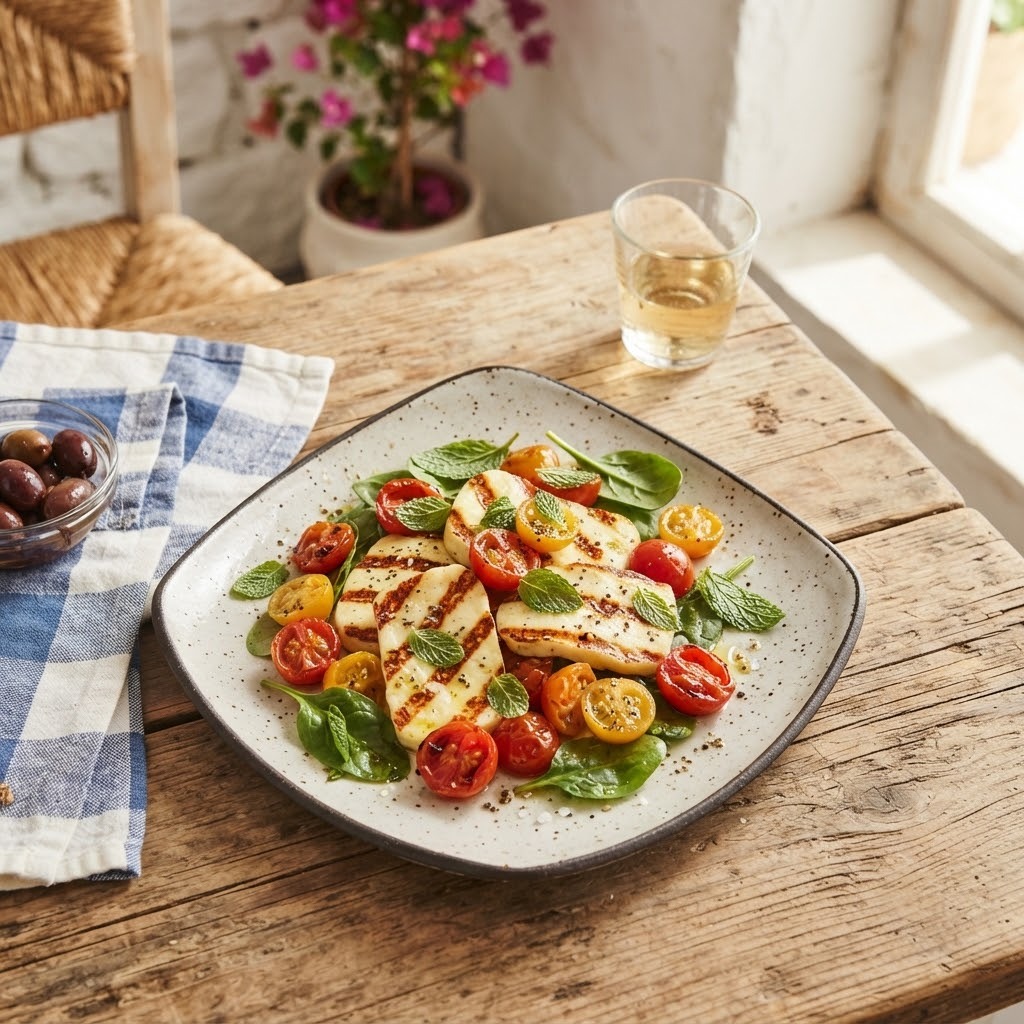
- Grilled halloumi or a soft-boiled egg if the table needs protein.
If only two rules from this list stick, make them the bicarbonate soak and the long blend. Everything after that is seasoning, a generous pour of olive oil and somebody reaching across the table for the last of it.